Myth: Pulling a tooth is dangerous and should always be avoided.
Fact: When a tooth cannot be saved, a timely extraction is safe and often the healthier choice. It stops infection spreading and protects the surrounding teeth and bone.
Oral Surgery · Merrick, NY
Sometimes the healthier choice for your mouth is to remove a tooth that cannot be saved. At Modern Dental Hub our dentists perform extractions, including wisdom teeth, with thorough numbing, careful technique and clear aftercare, and we talk through replacement options before you leave. We numb the area well; most patients feel pressure rather than pain.
We recommend an extraction only when keeping the tooth would do more harm than removing it. Common reasons include:
Saving a natural tooth is always our first preference. If a root canal and crown can restore it, we will offer that option and explain the trade-offs. We ask about your health history and medications before scheduling. A dentist decides after an examination and X-rays.
An extraction is the removal of a tooth from its socket in the jawbone. There are two kinds. A simple extraction is for a tooth that is visible and accessible: after numbing, the dentist loosens the tooth with gentle, controlled pressure and lifts it out. A surgical extraction is for a tooth that is broken at the gumline, has curved roots or has not fully erupted, as is common with wisdom teeth. It involves a small incision in the gum and sometimes dividing the tooth into sections so each piece can be removed with less force.
At Modern Dental Hub, we plan every extraction with digital X-rays and, where the roots sit close to a nerve or the sinus, with 3D imaging (CBCT). Local anesthesia is used for every extraction. For anxious patients or longer procedures, sedation options are discussed in advance. If a tooth will be replaced with an implant, we may place bone grafting material in the socket at the same visit to preserve the bone.
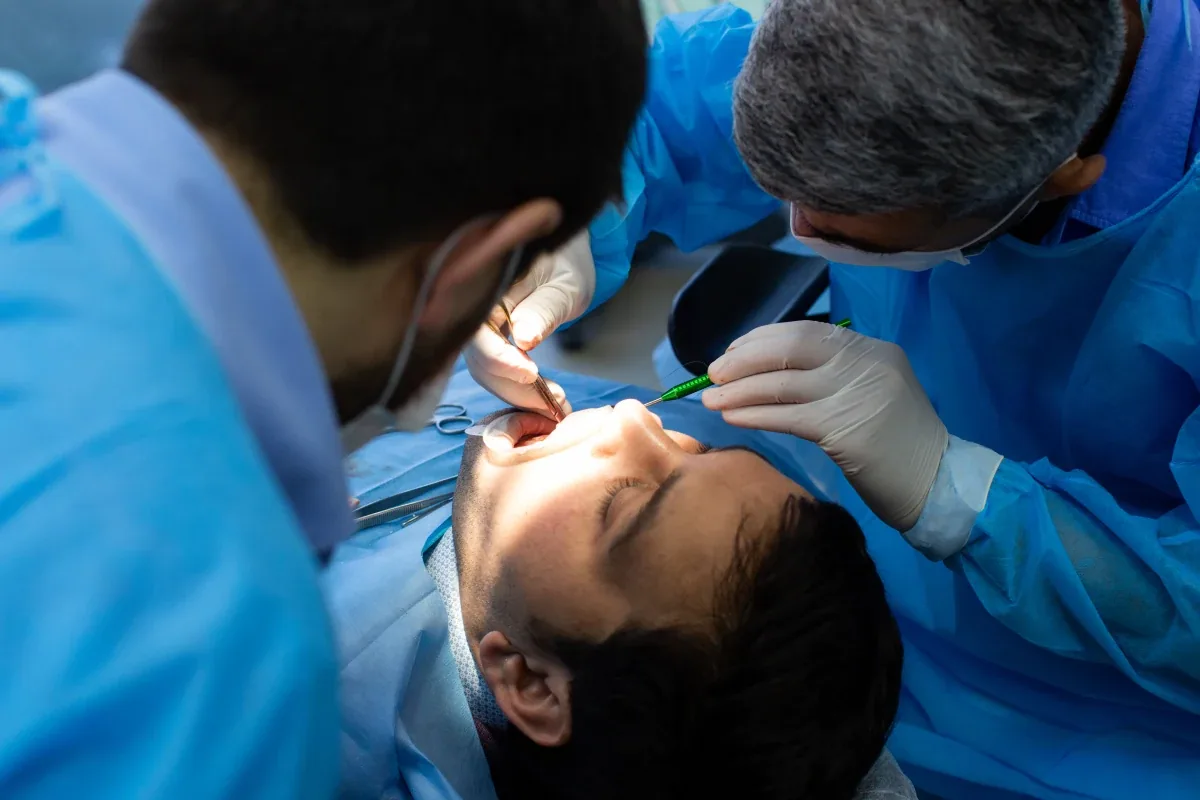
The extraction itself should not hurt. You will feel pressure and movement, but the area is thoroughly numb. Afterwards the source of pain or infection is gone, and the mouth starts healing right away.
Mild swelling, soreness and a little oozing are normal for the first day or two and improve quickly with over-the-counter pain relief and the aftercare below. Most people feel noticeably better within a few days and return to normal activities the following day, though we suggest avoiding strenuous exercise for a couple of days. The socket closes over a few weeks and the bone fills in over several months.
Once the area has healed, we discuss replacement where it matters for chewing and alignment: a dental implant, a bridge or a partial denture. Replacing a missing tooth prevents neighbors from drifting and keeps the bite stable. Results and healing times vary from person to person.
Examination and imaging. A dentist examines the tooth and takes digital X-rays, and 3D imaging if the roots are near a nerve or sinus. We review your health history and medications, explain why extraction is recommended and discuss alternatives and replacement options.
Numbing and comfort. We numb the area completely with local anesthetic and wait until it has taken full effect. If sedation was planned, it is given first and you will need someone to drive you home.
Removing the tooth. For a simple extraction, the dentist loosens the tooth and lifts it out. For a surgical extraction, a small opening is made in the gum and the tooth is removed in sections if needed. If bone grafting was planned, it is placed now. Stitches are used when they help the gum heal.
Immediate care and instructions. We place gauze over the socket to help a clot form, review written aftercare with you and schedule a follow-up if stitches need checking or a replacement plan needs to begin.
The cost of an extraction depends on whether it is simple or surgical, whether sedation or bone grafting is included and how many teeth are involved. We explain the fee after the examination, before anything is scheduled. Many dental insurance plans cover extractions in part.
Modern Dental Hub accepts 24 dental insurance plans; benefits and coverage should be verified with the office before treatment. Flexible payment options are available for patients without insurance. Contact the office to discuss available arrangements. See insurance we accept and payment options.
Current offer
New Patient Special
Exam, consultation and 3 X-rays. Contact the office to confirm eligibility and offer terms.
The extraction itself should not hurt. We numb the area thoroughly first, so you feel pressure rather than pain. Mild soreness afterwards is normal and is managed with over-the-counter pain relief.
Most people feel noticeably better within a few days. The gum closes over about two weeks, and the bone beneath fills in over several months. We give you a timeline based on your specific extraction.
Dry socket happens when the protective clot is lost too early, exposing bone and causing increased pain a few days after the extraction. Avoiding straws, smoking, spitting and hard rinsing in the first 24 hours greatly reduces the risk. If it happens, we treat it with a soothing dressing.
For teeth you chew with or that show when you smile, replacement with an implant, bridge or partial denture keeps your bite stable and stops nearby teeth from shifting. Wisdom teeth are not replaced.
Many patients do. We recommend taking it easy, keeping your head elevated and skipping strenuous exercise for a couple of days.
Soft, cool or lukewarm foods for the first day or two, then gradually return to normal as comfort allows. Avoid hot, crunchy, chewy or spicy foods until the area has healed.
Fact: When a tooth cannot be saved, a timely extraction is safe and often the healthier choice. It stops infection spreading and protects the surrounding teeth and bone.
Fact: Back teeth do much of the chewing and keep the bite aligned. Leaving a gap lets neighbors tip and the opposing tooth drift. Replacing them prevents future problems.
Fact: Wisdom teeth that have erupted fully, are healthy and can be cleaned may stay. We recommend removal when they are impacted, decayed, crowding or repeatedly infected.
Have a question about tooth extractions? Our team will explain your options after an examination.
Our dentists

Education and training
New York University, Doctor of Dental Surgery; Northwell Health (Residency)
Read more about Dr. Margarita Kaus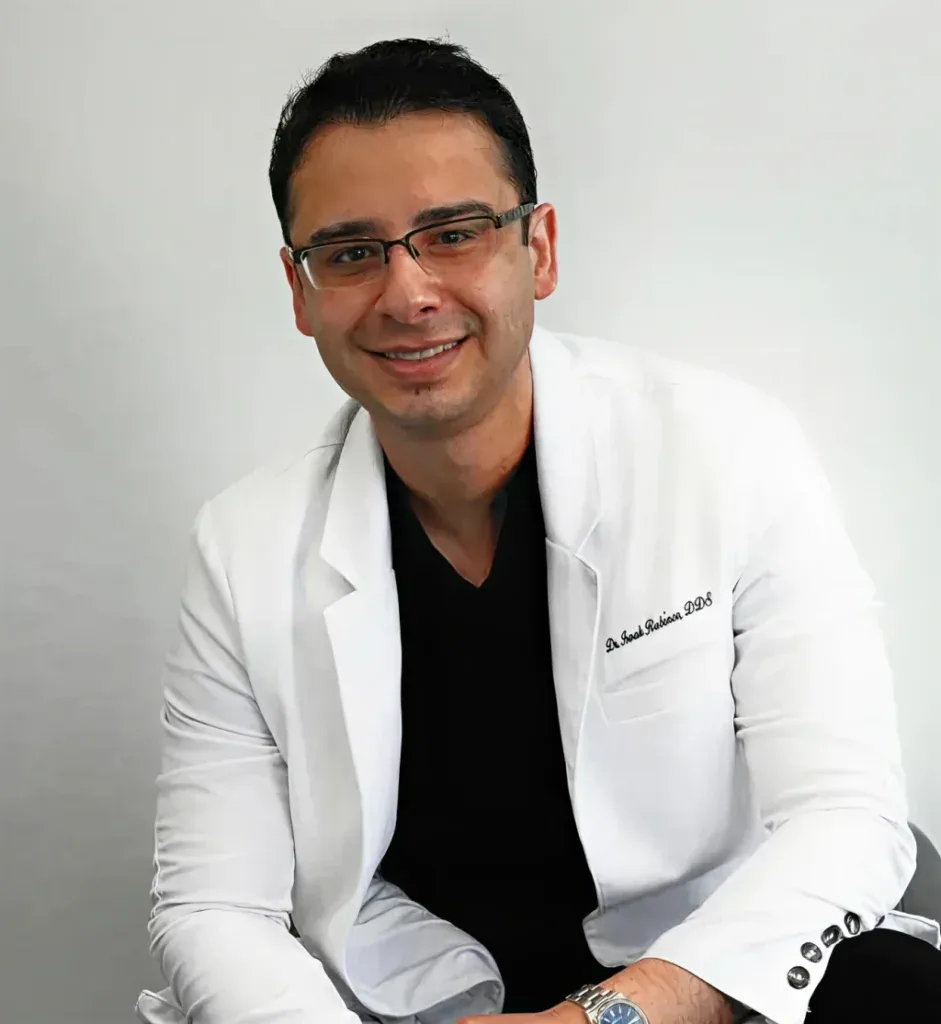
Education and training
New York University, Doctor of Dental Surgery; Kings County Hospital Center, Residency in General Practice
Read more about Dr. Isaak Rubinov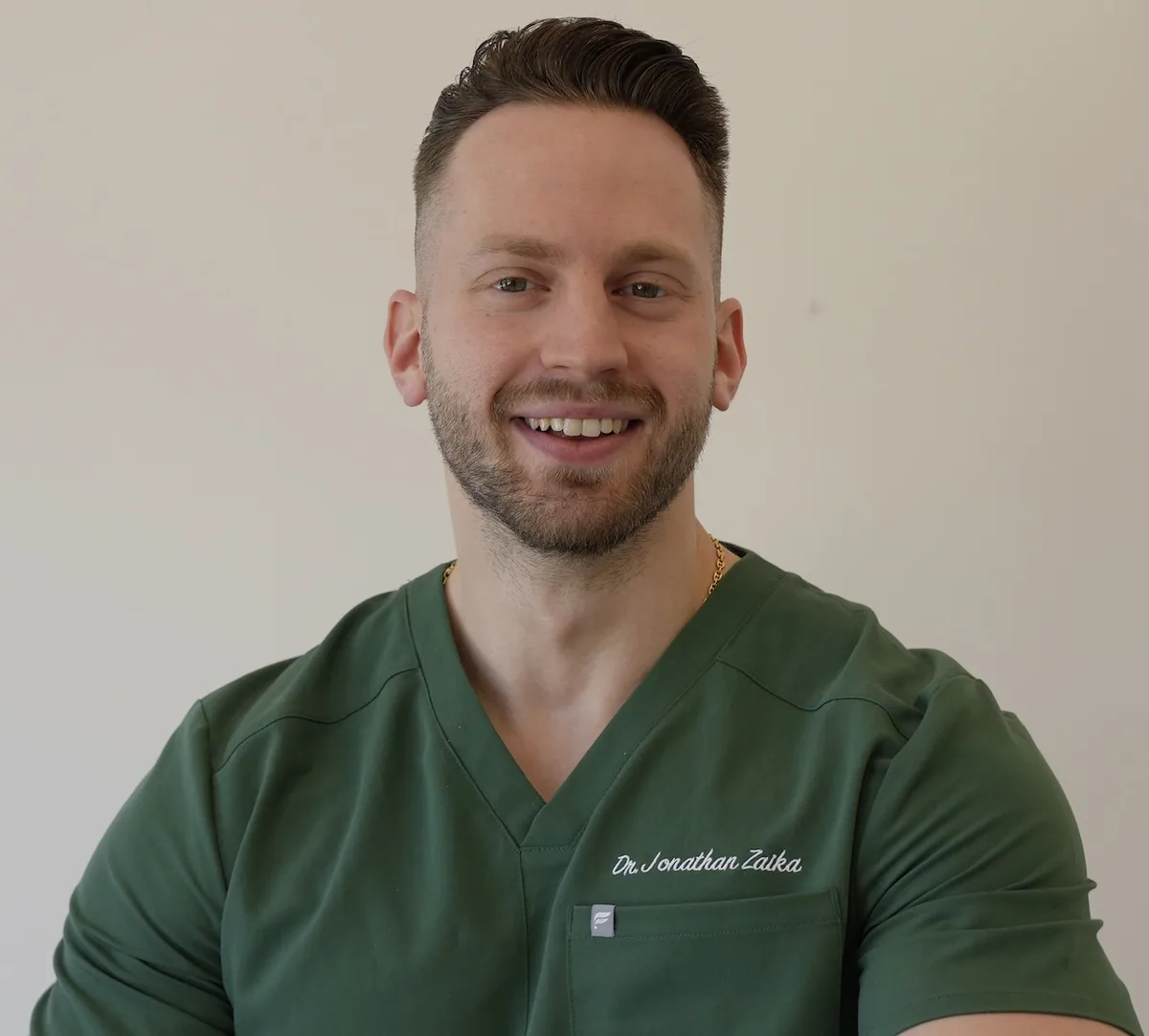
Education and training
New York University College of Dentistry, Doctor of Dental Surgery
Read more about Dr. Jonathan Zaika
Education and training
Stony Brook University School of Dental Medicine, Doctor of Dental Surgery (Summa Cum Laude); NYC Health + Hospitals/South Brooklyn Health, General Practice Residency
Read more about Dr. Stanley FaynblutRelated care
Visit us
Book online or call the office. A booking request is confirmed by our front desk; our team will contact you to confirm the time.
Get in touch
Have questions or need directions? We are here to help. Reach out or visit our office.
Call the office or send us an email and we will get back to you.