Restorative Dentistry · Merrick, NY

Dental bridges in Merrick, NY

A dental bridge fills the space left by one or more missing teeth with a fixed, natural-looking replacement that does not come out. At Modern Dental Hub in Merrick, our dentists design traditional, implant-supported, cantilever and Maryland bridges to match the shape, size and shade of your own teeth.

Who dental bridges can help

A bridge is a good option if you:

  • are missing one tooth, or two or three teeth side by side
  • have healthy teeth or dental implants on either side of the gap to support the bridge
  • want a fixed replacement rather than a removable partial denture
  • have noticed neighboring teeth drifting into the space or your bite changing

Bridges are not the answer for every gap. If the teeth beside the space are weak or heavily filled, a traditional bridge may overload them, and an implant-supported bridge or individual dental implants may be the better plan. If missing teeth are spread across the mouth rather than next to each other, a partial denture or implants may suit you better.

What a dental bridge is

A bridge is a fixed prosthetic that spans the gap left by missing teeth. It consists of one or more replacement teeth, called pontics, joined to anchors on either side. In a traditional bridge those anchors are crowns on the natural teeth next to the gap; in an implant-supported bridge they are dental implants.

We offer four types of bridge:

  • Traditional bridges, supported by crowns on the natural teeth on each side of the gap.
  • Implant-supported bridges, anchored on dental implants rather than natural teeth. They leave neighboring teeth untouched and help preserve the jawbone.
  • Cantilever bridges, anchored to a tooth on one side of the gap only, used where there is a single strong anchor.
  • Maryland bridges, where a replacement tooth is bonded to the backs of the adjacent teeth with small wings; these are less common today and mostly used for front teeth.

What to expect

With your bridge in place you can chew comfortably on both sides, speak clearly and smile without thinking about the gap. Replacing the tooth also stops the neighboring teeth from tilting into the space and helps keep your bite stable. Many bridges last 10 to 15 years or longer with good care, although results vary. The most common reason a bridge needs replacing is decay or gum disease around the supporting teeth, which is why cleaning under and around the bridge matters so much.

How it works, step by step

  1. Consultation and planning. We examine your mouth, take digital X-rays or a 3D scan, check the health of the supporting teeth or bone and recommend the type of bridge that fits your case and your budget.

  2. Preparing the anchors. For a traditional bridge we numb the area and reshape the teeth on either side of the gap so crowns can fit over them; most patients feel pressure rather than pain. For an implant-supported bridge, the implants are placed first and allowed to heal for several months.

  3. Impressions and temporary bridge. We take a digital scan or impression and fit a temporary bridge to protect the prepared teeth while the final bridge is made.

  4. Fitting the bridge. At the next visit we check the fit, bite and shade, make any adjustments and bond or secure the bridge permanently. We then show you how to clean around and under it.

Aftercare and recovery

  • Wait for the numbness to pass before eating, and chew gently on the bridge for the first few days.
  • Brush twice a day and floss daily, including under the pontic; we will show you how.
  • Use a floss threader, interdental brush or water flosser to clean beneath the bridge where regular floss cannot reach.
  • Avoid very hard or sticky foods on the bridge side at first, and go easy on them long term.
  • Mild sensitivity to temperature or pressure on the crowned teeth is normal for a few days and usually fades.
  • Keep regular check-ups and cleanings every six months so we can check the bridge and the teeth that support it.

Cost, insurance and payment

The cost of a bridge depends on how many teeth are being replaced, the type of bridge, the materials and whether implants are part of the plan. We explain the full cost after your exam, before any treatment is scheduled.

We accept 24 insurance plans, and bridges are a common restorative benefit; coverage should be verified with the office before treatment. Flexible payment options are available for patients without insurance. See the insurance plans we accept and our payment options, or call the office to discuss arrangements.

Current offer

New Patient Special

Exam, consultation and 3 X-rays. Contact the office to confirm eligibility and offer terms.

Frequently asked questions

How long does a dental bridge last?

Many bridges last 10 to 15 years or longer with good oral hygiene and regular dental visits. The health of the teeth or implants supporting the bridge is what matters most.

Does getting a bridge hurt?

We numb the area before reshaping teeth or placing implants, so most patients feel pressure rather than pain. Some soreness for a few days afterwards is normal and short-lived.

Can a bridge replace several missing teeth?

Yes, if the missing teeth are next to each other. A longer gap puts more load on the anchors, so for three or more teeth we often recommend implant support.

What is the difference between a bridge and a partial denture?

A bridge is fixed in place and does not come out; a partial denture is removable and rests on the gums with clasps on nearby teeth. Bridges feel more like natural teeth, while partials can replace teeth in several areas at once.

Will the bridge look natural?

Yes. We match the shape, size and shade of the replacement teeth to your own, and porcelain and zirconia reflect light much like natural enamel.

Myths and facts

Myth: A bridge damages the teeth next to it.

Fact: For a traditional bridge the supporting teeth are reshaped, but they are then protected by crowns. If you prefer to leave healthy teeth untouched, an implant-supported bridge avoids reshaping altogether.


Myth: Bridges fall out easily.

Fact: A fixed bridge is bonded or screw-retained and designed to stay in place for years. Problems usually start with decay or gum disease around the anchors, which good home care and check-ups help prevent.

Myth: Only older people get bridges.

Fact: People of all ages lose teeth to injury, decay or conditions they were born with. A bridge is a practical fixed solution at any adult age.

Have a question about dental bridges? Our team will explain your options after an examination.

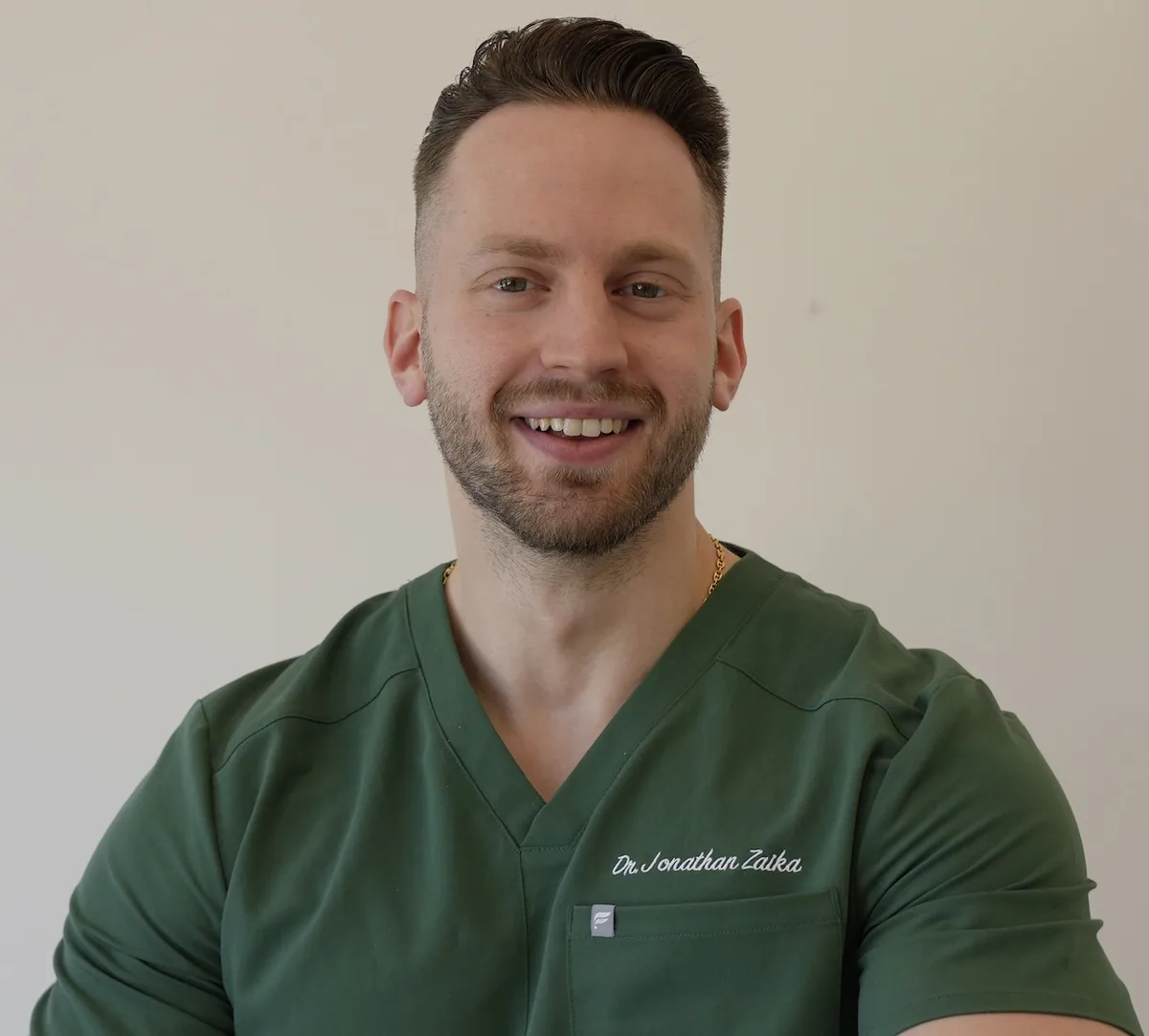
Our dentists

The dentists who provide this care

Meet the whole team

Visit us

Talk with us about dental bridges.

Book online or call the office. A booking request is confirmed by our front desk; our team will contact you to confirm the time.

Get in touch

Have questions or need directions? We are here to help. Reach out or visit our office.

Merrick, Long Island
235 Sunrise Highway
Merrick, NY 11566
Hours
Monday
10:00 AM – 5:00 PM
Tuesday – Thursday
9:00 AM – 7:00 PM
Friday
10:00 AM – 5:00 PM
Saturday – Sunday
Closed
Phone
(516) 855-6855
Email
welcomemdh@moderndentalhub.com
Directions