Myth: Crowns are only cosmetic.
Fact: A crown's main job is to restore strength and function to a damaged tooth. The improved appearance is a welcome bonus.
Restorative Dentistry · Merrick, NY
A dental crown protects a tooth that is cracked, worn or weakened and gives it back its shape and strength. At Modern Dental Hub in Merrick, our dentists make custom porcelain, ceramic and zirconia crowns matched to your natural teeth, usually over two visits, with same-day crowns available for patients who qualify.
A crown is the usual choice when a tooth is too damaged for a filling but still has a healthy root worth keeping. You may be a good candidate if you:
If too little of the tooth remains, or the root is fractured, a crown may not be able to save it; we then talk you through the alternatives, which can include extraction followed by a dental implant or bridge.
A crown, sometimes called a cap, is a custom-made cover that fits over the whole visible part of a tooth down to the gum line. It is shaped and colored to blend with the teeth around it and bonded in place, so it restores both the look of the tooth and the way it works when you bite and chew.
We offer crowns in three main materials:
Your dentist will recommend a material based on where the tooth sits, how hard you bite, whether you grind your teeth and how important appearance is to you. For patients who qualify, we may be able to design and place a same-day crown using digital scanning, so you leave with the finished tooth in a single visit.

Once a crown is bonded, the tooth should feel solid again. You can chew, speak and smile without favoring one side, and sensitivity from the damaged tooth usually settles. Many crowns last 10 to 15 years or longer with good care, although results vary: how long yours lasts depends on your home care, your bite and whether you grind or clench. A crown cannot decay itself, but the natural tooth underneath can, so brushing and flossing around the edge matters.
Exam and planning. We examine the tooth, take digital X-rays and confirm that a crown is the right treatment. We discuss materials, cost and whether a same-day crown is an option for you.
Preparing the tooth. We numb the area; most patients feel pressure rather than pain. Any decay is removed, the tooth is reshaped to make room for the crown and, if a lot of structure is missing, a core build-up rebuilds it.
Impressions and temporary crown. We take a digital scan or impression so the crown fits precisely. A temporary crown protects the tooth while the final one is made.
Fitting the crown. At the second visit we check the fit, bite and shade, make any adjustments and bond the crown permanently. For a same-day crown, steps three and four happen in the same appointment.
The cost of a crown depends on the material, whether a core build-up or root canal is needed first and whether a same-day crown is possible. We explain the full cost after the exam and before any work begins.
We accept 24 insurance plans, and crowns are a common restorative benefit; coverage should be verified with the office before treatment. Flexible payment options are available for patients without insurance. See the insurance plans we accept and our payment options, or call the office to discuss arrangements.
Current offer
New Patient Special
Exam, consultation and 3 X-rays. Contact the office to confirm eligibility and offer terms.
Many crowns last 10 to 15 years or longer with good care. How long yours lasts depends on your oral hygiene, whether you grind your teeth and the foods you chew.
Yes. Porcelain, ceramic and zirconia are all tooth-colored, and we match the shade and shape to your neighboring teeth. On front teeth we take extra care with translucency so the crown blends in.
We numb the area before preparing the tooth, so most patients feel pressure and vibration rather than pain. Some soreness or sensitivity for a few days afterwards is normal and settles on its own.
For patients who qualify, we can scan the tooth digitally and make the crown during a single visit. Whether this suits you depends on the tooth, its position and the material needed; your dentist will tell you at the exam.
In most cases, yes, particularly for back teeth. A tooth that has had a root canal is more brittle, and a crown holds it together and protects it from fracture.
Fact: A crown's main job is to restore strength and function to a damaged tooth. The improved appearance is a welcome bonus.
Fact: A properly fitted and bonded crown is very secure. Crowns that loosen usually do so because of decay underneath or a very sticky food, both of which good care helps prevent.
Fact: The crown itself cannot decay, but the natural tooth at its edge can. Brushing and flossing along the gum line keeps the margin healthy.
Have a question about dental crowns? Our team will explain your options after an examination.
Our dentists

Education and training
New York University, Doctor of Dental Surgery; Northwell Health (Residency)
Read more about Dr. Margarita Kaus
Education and training
New York University, Doctor of Dental Surgery; Kings County Hospital Center, Residency in General Practice
Read more about Dr. Isaak Rubinov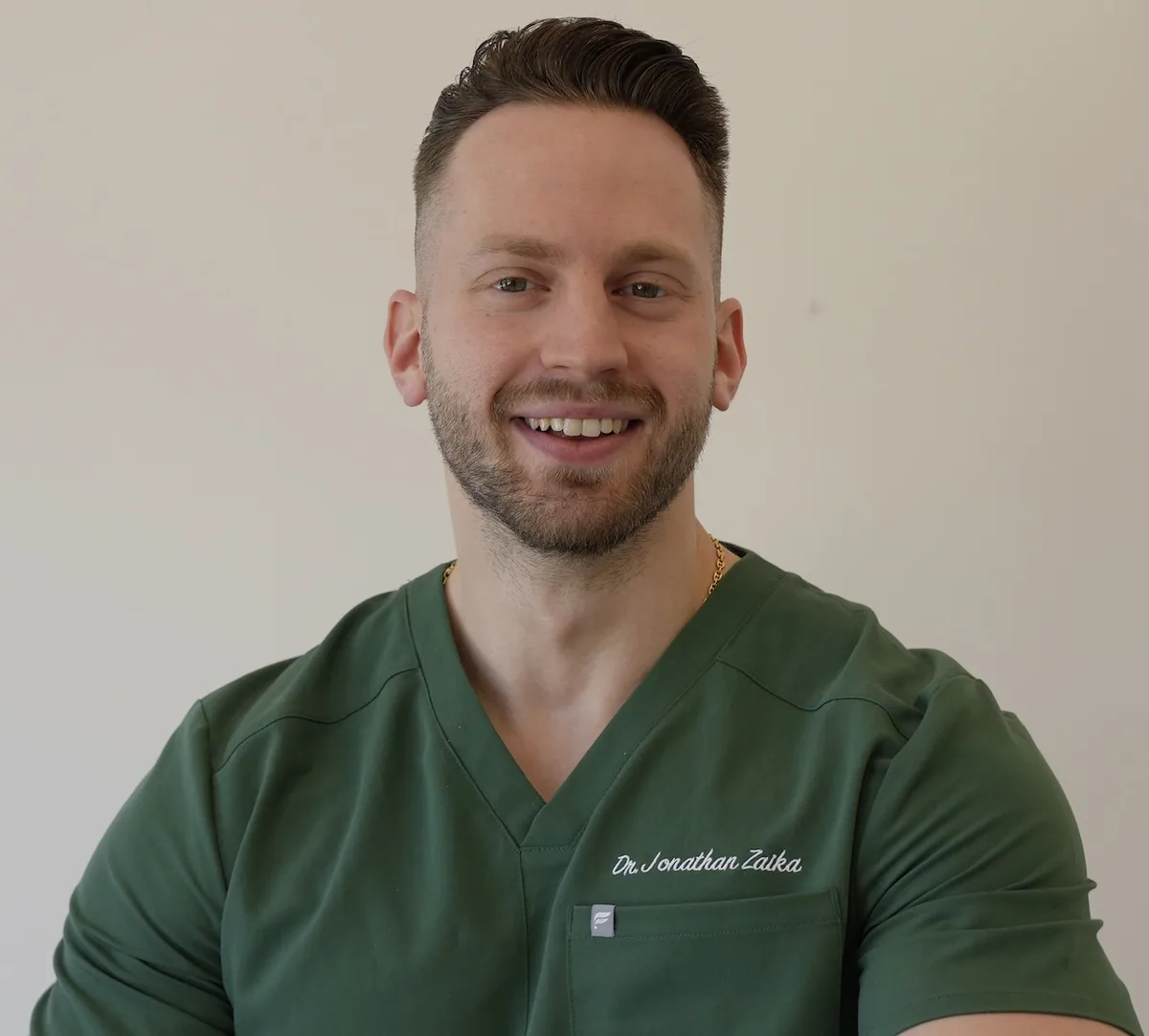
Education and training
New York University College of Dentistry, Doctor of Dental Surgery
Read more about Dr. Jonathan Zaika
Education and training
Stony Brook University School of Dental Medicine, Doctor of Dental Surgery (Summa Cum Laude); NYC Health + Hospitals/South Brooklyn Health, General Practice Residency
Read more about Dr. Stanley FaynblutRelated care
Visit us
Book online or call the office. A booking request is confirmed by our front desk; our team will contact you to confirm the time.
Get in touch
Have questions or need directions? We are here to help. Reach out or visit our office.
Call the office or send us an email and we will get back to you.