Myth: If a cavity does not hurt, it does not need a filling
Fact: Cavities often cause no pain until they are large or reach the nerve. Treating them early with a small filling prevents bigger and more involved problems later.
Restorative Dentistry · Merrick, NY
A cavity does not have to mean a noticeable repair. At Modern Dental Hub in Merrick, NY, we use tooth-colored composite fillings that blend with your natural teeth. A filling repairs a tooth damaged by decay or a small crack, stops the problem from getting worse and gives the tooth back its strength and shape, usually in a single visit.
You may need a filling if you have:
When decay is large or a tooth is heavily worn, a dental crown, an inlay or an onlay may protect the tooth better. When decay has reached the nerve, the tooth usually needs root canal treatment first. Our dentists decide after an examination and X-rays, and we explain the options before anything starts.
A dental filling replaces the part of a tooth that decay or a crack has damaged. We remove the softened or broken tooth structure, clean the area and fill the space with a material that seals the tooth and restores its shape.
At Modern Dental Hub we use tooth-colored composite resin. Composite is a blend of resin and fine glass-like particles that bonds directly to the tooth. It comes in a range of shades, so we can match it closely to your own enamel. The material is hardened with a curing light while you are in the chair, so it is ready to use as soon as the appointment ends.
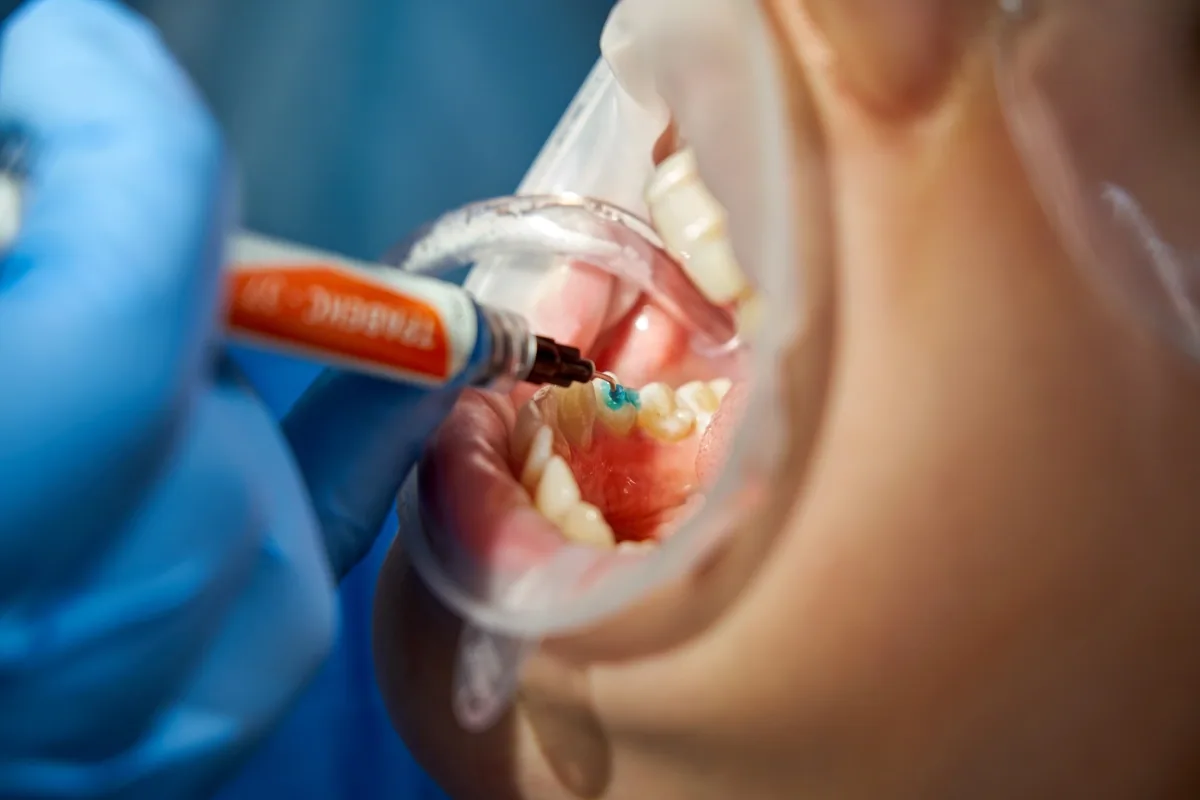
After your filling, the tooth is restored, sealed and ready to use normally. Composite fillings are color-matched to your tooth, so the repair is hard to notice when you smile or talk. You can eat and drink as usual once any numbness wears off.
With good oral hygiene and regular check-ups, a composite filling can last for many years. Results vary from person to person. Mild sensitivity to hot, cold or pressure is common for a few days as the tooth settles and usually fades on its own.
Examination and X-rays. Your dentist examines the tooth, takes digital X-rays when needed and confirms that a filling is the right treatment.
Numbing the area. We apply a numbing gel and then local anesthetic around the tooth. Most patients feel pressure rather than pain during the procedure.
Removing the decay. Your dentist removes the decayed or damaged part of the tooth with fine instruments and cleans the area, keeping as much healthy tooth as possible.
Placing the composite. A bonding agent is applied, and the composite is placed in thin layers. Each layer is hardened with a curing light.
Shaping and polishing. Your dentist shapes the filling to match the tooth, checks your bite and polishes the surface so that it feels smooth and natural.
The cost of a filling depends on the size of the cavity, the number of tooth surfaces involved and where the tooth sits in the mouth. After your examination and X-rays, we explain what the tooth needs and give you a clear estimate before treatment begins.
Modern Dental Hub accepts 24 dental insurance plans, and fillings are commonly covered as a restorative benefit. Benefits and coverage should be verified with the office before treatment; see the full list on our insurance page. Flexible payment options are available for patients without insurance. Contact the office or visit our payment options page to discuss available arrangements.
Current offer
New Patient Special
Exam, consultation and 3 X-rays. Contact the office to confirm eligibility and offer terms.
We numb the tooth and the surrounding gum before we start, so most patients feel pressure and vibration rather than pain. Afterward, mild sensitivity is common and temporary.
We use tooth-colored composite resin. It bonds to the tooth, is matched to the shade of your enamel and is hardened in place with a curing light, so it is ready to use when you leave.
With good care, composite fillings typically last many years. The exact lifespan depends on the size and position of the filling and on your habits.
Yes. Most fillings are completed in a single appointment.
Sometimes there are no symptoms at all, which is why regular check-ups and X-rays matter. Sensitivity to sweets or temperature, a visible dark spot, a rough edge you can feel with your tongue or food catching in one place can all be signs that a tooth needs attention.
Fact: Cavities often cause no pain until they are large or reach the nerve. Treating them early with a small filling prevents bigger and more involved problems later.
Fact: Tooth-colored composite fillings are matched to your natural teeth. In most cases they are hard to spot, even in front teeth.
Fact: The rest of the tooth and the edges of the filling can still decay. Brushing, flossing and regular check-ups keep both the filling and the tooth healthy.
Have a question about dental fillings? Our team will explain your options after an examination.
Our dentists

Education and training
New York University, Doctor of Dental Surgery; Northwell Health (Residency)
Read more about Dr. Margarita Kaus
Education and training
New York University, Doctor of Dental Surgery; Kings County Hospital Center, Residency in General Practice
Read more about Dr. Isaak Rubinov
Education and training
New York University College of Dentistry, Doctor of Dental Surgery
Read more about Dr. Jonathan Zaika
Education and training
Stony Brook University School of Dental Medicine, Doctor of Dental Surgery (Summa Cum Laude); NYC Health + Hospitals/South Brooklyn Health, General Practice Residency
Read more about Dr. Stanley FaynblutRelated care
Visit us
Book online or call the office. A booking request is confirmed by our front desk; our team will contact you to confirm the time.
Get in touch
Have questions or need directions? We are here to help. Reach out or visit our office.
Call the office or send us an email and we will get back to you.