Myth: Invisalign can only fix very minor problems.
Fact: Invisalign corrects a wide range of crowding, spacing and many bite problems. Some complex cases still do better with braces or a specialist. A consultation and scan is the way to know.
Orthodontics · Merrick, NY
Invisalign straightens teeth with a series of clear, removable aligners instead of brackets and wires. At Modern Dental Hub our dentists plan and supervise treatment for teens and adults who want a straighter smile that fits around work, school and everyday life.
Invisalign is a good option for many teens and adults, including those with:
Invisalign is not for every case. Severe bite problems, teeth that need to rotate a long way or large jaw discrepancies may be better served by braces or a referral to an orthodontic specialist, and we will say so plainly. Aligners also only work when they are worn, so they suit people who can commit to 20 to 22 hours a day. Children whose adult teeth have not all come in are usually asked to wait. Any cavities or gum problems are treated first, so the teeth are healthy before they move. A dentist confirms whether you are a candidate after an examination and scan.
Invisalign is a system of custom-made, nearly invisible plastic aligners. Each set is designed from a digital model of your teeth and shaped to move them a small amount. You wear each set for a short period, typically one to two weeks, then switch to the next, and the teeth follow the planned path step by step. Because the trays are removable, you take them out to eat, drink anything other than water and brush and floss, so there are no food restrictions and no wires to clean around.
Some teeth need a little extra help. Small tooth-colored attachments bonded to certain teeth give the aligners something to grip, and in some cases a tooth is polished very slightly to create space. All of this is planned before you begin and explained at your consultation. Treatment is directed by our dentists at Modern Dental Hub, with regular check-ups, usually every several weeks, to track progress and hand you your next sets.
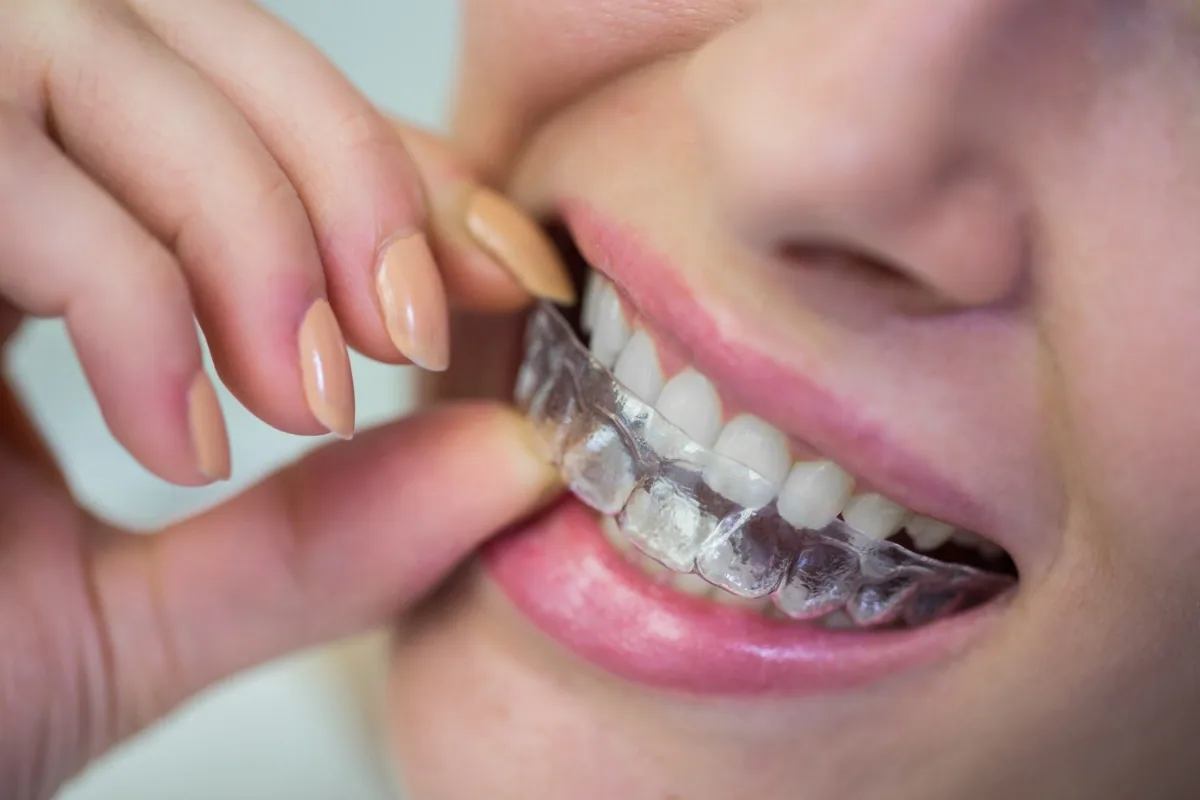
Most cases take about 6 to 18 months, depending on how far the teeth need to move. Simple spacing or mild crowding sits at the shorter end; more complex bite changes take longer. Results vary, and the plan may be refined partway through if a tooth is moving more slowly than predicted.
Expect mild pressure or tenderness for a day or two each time you start a new set. That is a sign the teeth are moving, and it settles quickly. Some people notice a slight lisp during the first few days, which fades as the tongue adjusts. Because the aligners are smooth plastic, they are far less likely to irritate cheeks and gums than brackets.
When treatment ends, teeth want to drift back toward where they started. A retainer, worn as directed, is what keeps your new smile in place for the long term. With good retainer habits, the result lasts for years.
Consultation and scan. A dentist examines your teeth, gums and bite and takes a digital scan or impressions. We discuss what you want to change and whether Invisalign is the right tool for it.
Digital treatment plan. Your scan becomes a 3D model. We map each movement, and you can see a preview of the planned result and an estimated timeline before anything is made.
Your aligners arrive. We check the fit of the first set, place any attachments, and show you how to insert, remove and clean the trays. You leave with several sets and a schedule for switching them.
Progress visits and retention. You return for regular check-ups, usually every several weeks, so we can check progress and give you the next sets. When the teeth reach their planned positions, we fit a retainer and explain how to wear it.
The cost of Invisalign depends on the complexity of your case and how many aligners it takes, so we give you an exact figure after the consultation and scan. Some dental insurance plans include an orthodontic benefit that applies to Invisalign; others do not.
Modern Dental Hub accepts 24 dental insurance plans; benefits and coverage should be verified with the office before treatment. Flexible payment options are available for patients without insurance. Contact the office to discuss available arrangements. See insurance we accept and payment options.
Current offer
New Patient Special
Exam, consultation and 3 X-rays. Contact the office to confirm eligibility and offer terms.
Most cases take about 6 to 18 months, depending on how much the teeth need to move. We give you a personalized estimate at your consultation, based on the digital plan.
They are clear and fit snugly over the teeth, so most people will not notice them in conversation. Small attachments on some teeth are tooth-colored and blend in.
Yes. You remove the aligners to eat and drink anything other than water, so there are no food restrictions. Brush before putting them back in.
You may feel pressure for a day or two when you switch to a new set. Most patients describe it as tightness rather than pain, and it eases quickly. It is generally more comfortable than traditional braces.
Yes, for teens whose adult teeth have come in and who can commit to wearing the trays. We check for both at the consultation.
You wear a retainer to keep the teeth in their new positions. We explain exactly how and when to wear it. Without a retainer, teeth tend to drift back.
Fact: Invisalign corrects a wide range of crowding, spacing and many bite problems. Some complex cases still do better with braces or a specialist. A consultation and scan is the way to know.
Fact: Aligners only move teeth while they are in your mouth. Wearing them 20 to 22 hours a day is what keeps treatment on schedule.
Fact: Teeth naturally shift over time at any age. Wearing a retainer as directed is what keeps the new smile straight for the long term.
Have a question about Invisalign? Our team will explain your options after an examination.
Our dentists
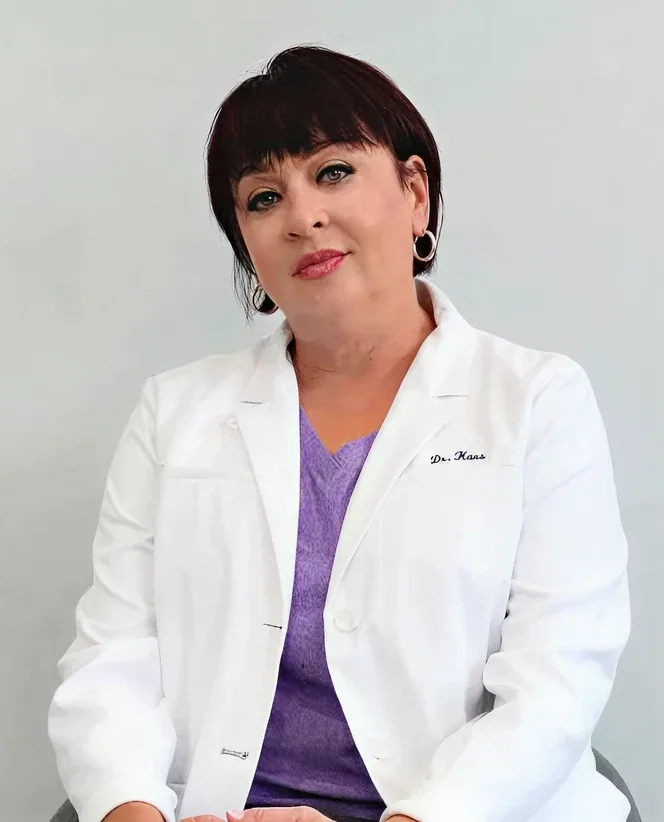
Education and training
New York University, Doctor of Dental Surgery; Northwell Health (Residency)
Read more about Dr. Margarita Kaus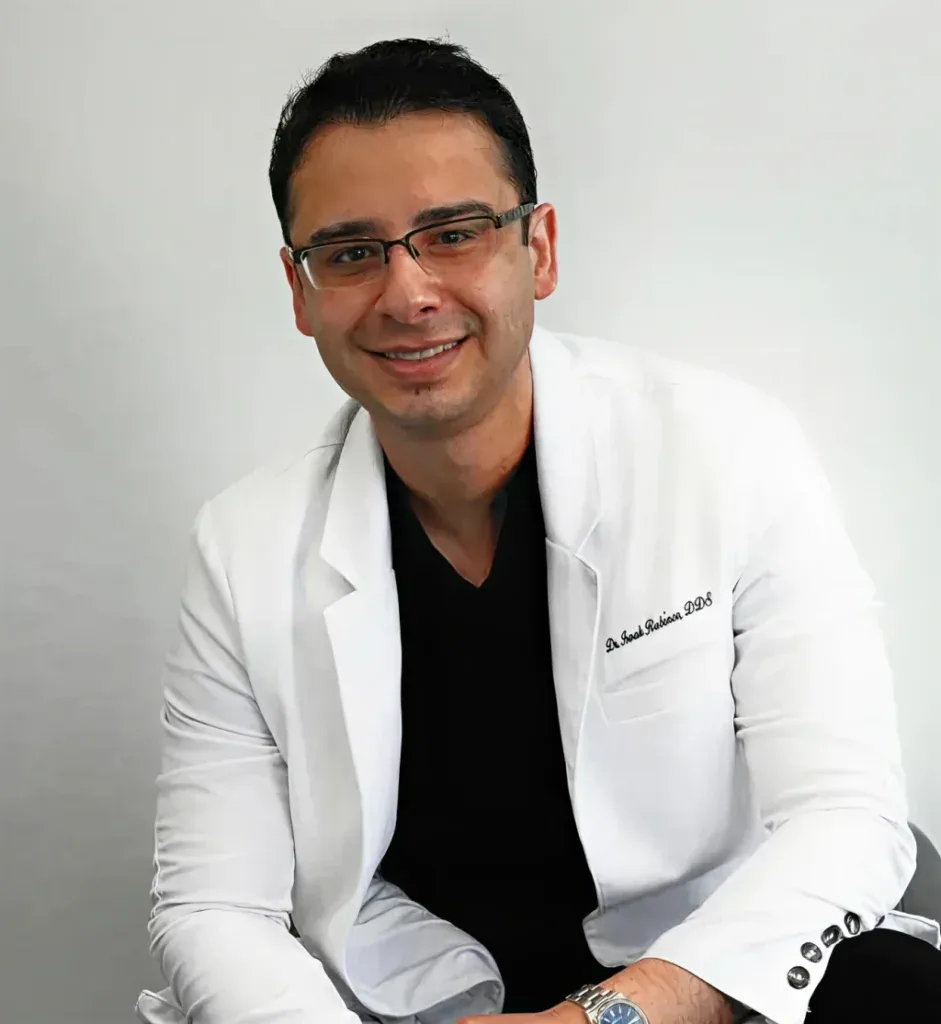
Education and training
New York University, Doctor of Dental Surgery; Kings County Hospital Center, Residency in General Practice
Read more about Dr. Isaak Rubinov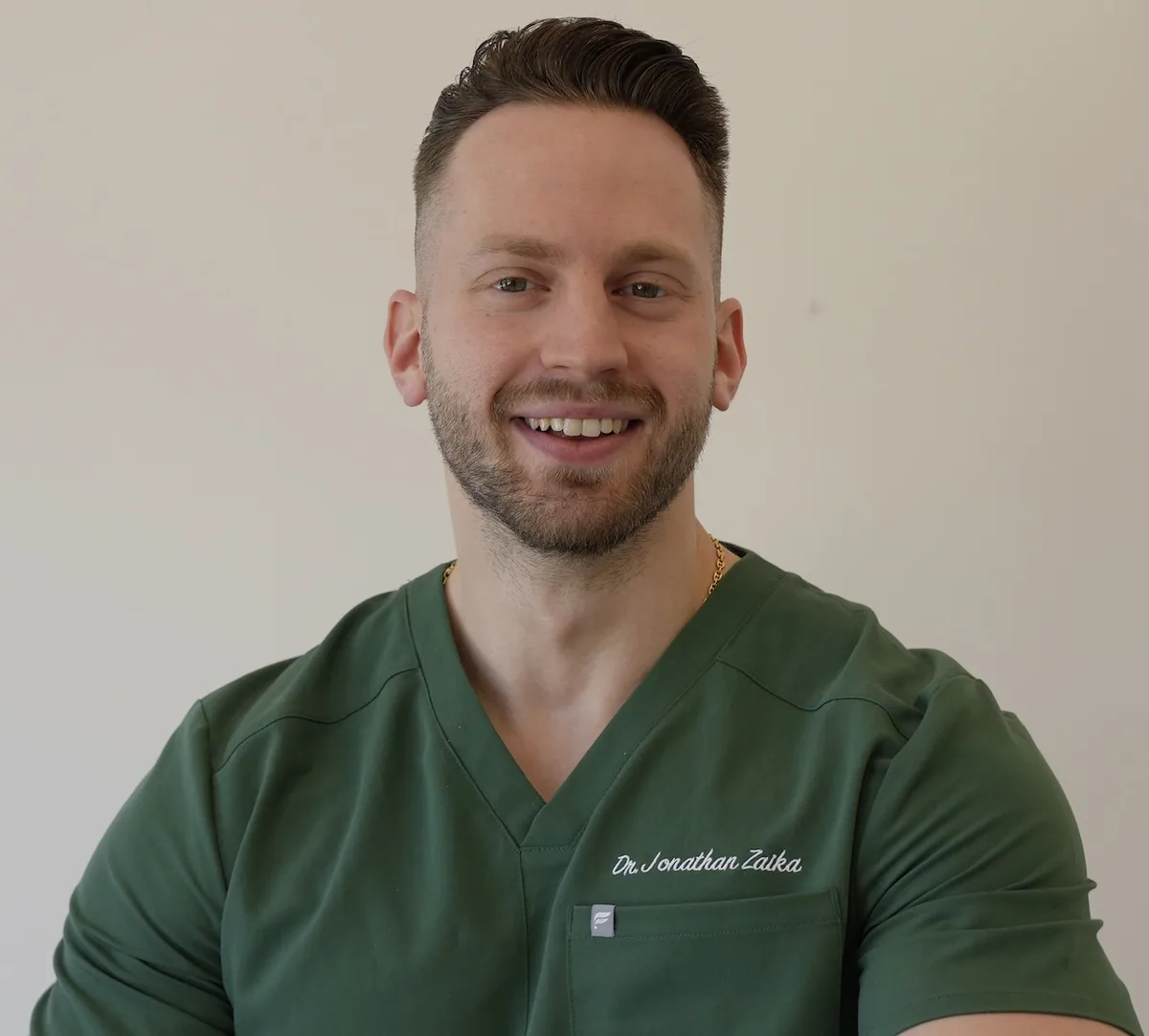
Education and training
New York University College of Dentistry, Doctor of Dental Surgery
Read more about Dr. Jonathan Zaika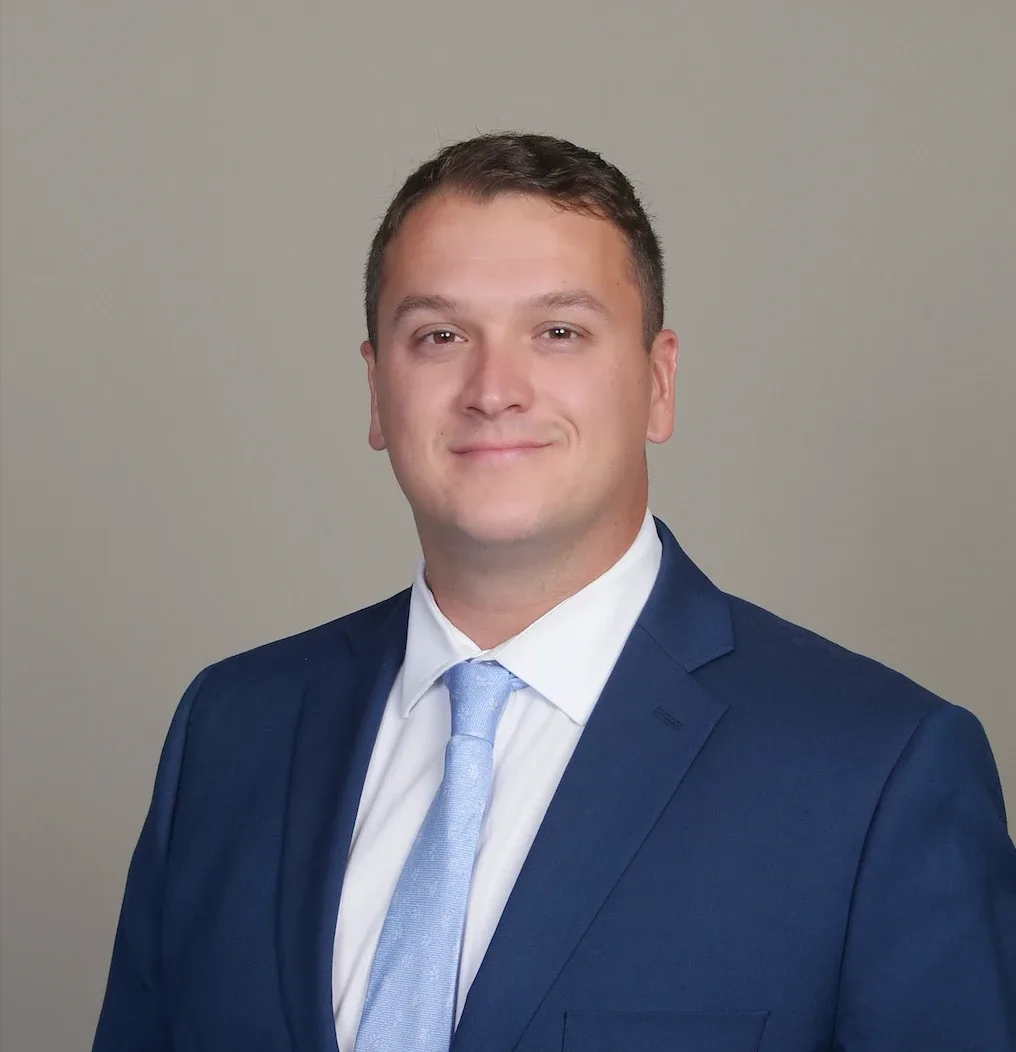
Education and training
Stony Brook University School of Dental Medicine, Doctor of Dental Surgery (Summa Cum Laude); NYC Health + Hospitals/South Brooklyn Health, General Practice Residency
Read more about Dr. Stanley FaynblutVisit us
Book online or call the office. A booking request is confirmed by our front desk; our team will contact you to confirm the time.
Get in touch
Have questions or need directions? We are here to help. Reach out or visit our office.
Call the office or send us an email and we will get back to you.