Myth: Root canals are extremely painful.
Fact: The pain people associate with root canals usually comes from the infection beforehand. The treatment itself is done under local anesthetic, and most patients feel pressure rather than pain.
Restorative Dentistry · Merrick, NY
Root canal treatment relieves the pain of an infected or badly damaged tooth and lets you keep the tooth instead of losing it. At Modern Dental Hub in Merrick, our dentists numb the area thoroughly, clean and seal the inside of the tooth in one or two visits and then protect it with a crown made to match your smile.
A root canal is needed when the soft tissue inside a tooth, the pulp, becomes inflamed or infected, usually because of deep decay, a crack, repeated dental work on the same tooth or a blow to the mouth. Signs that you may need one include:
Some infected teeth cause no pain and are found on a routine X-ray. If you have severe pain or swelling, contact us the same day; we offer emergency dentistry appointments when possible. When a tooth is cracked below the gum line or has too little structure left to save, extraction followed by a replacement may be the better choice, and we will explain why.
Inside each tooth are narrow canals that hold the pulp, the nerves and blood vessels that helped the tooth develop. A fully grown tooth can function without the pulp, so an infected pulp can be removed and the space sealed without losing the tooth.
During treatment, your dentist makes a small opening in the top of the tooth, removes the inflamed or infected pulp, cleans and shapes the canals, disinfects them and fills them with a rubber-like material called gutta-percha. The opening is then sealed. Because a treated tooth is more brittle than a living one, most back teeth are finished with a dental crown to protect them from fracturing.

The treatment is designed to stop the pain, not cause it. The area is numbed thoroughly, and most patients feel pressure and vibration rather than pain. Once the infection is cleared, the deep ache that brought you in usually settles within a few days. A tooth that has had a root canal and a well-fitted crown can last many years, often as long as your other teeth, with good care. Results vary; in a small number of cases a canal can become re-infected and need retreatment.
Exam and X-rays. We examine the tooth, take digital X-rays and test how it responds to cold and pressure to confirm the diagnosis.
Numbing and isolation. The area is numbed thoroughly, and a small rubber dam is placed around the tooth to keep it clean and dry. Sedation options are available if you are anxious.
Cleaning the canals. Through a small opening in the top of the tooth, we remove the pulp, clean and shape each canal and disinfect it. If the infection is severe, we may place medication inside the tooth and finish at a second visit.
Sealing. The canals are filled with gutta-percha and the opening is sealed with a temporary or permanent filling.
Crown. Within a few weeks the tooth is prepared for a crown that restores its strength and appearance, usually over two visits.
The cost of root canal treatment depends on the tooth: front teeth have one canal, while molars often have three or four and take longer. A crown afterwards is priced separately. We explain the full cost after the exam and before treatment starts.
We accept 24 insurance plans; root canals and crowns are common restorative benefits, but coverage should be verified with the office before treatment. Flexible payment options are available for patients without insurance. See the insurance plans we accept and our payment options, or call the office to discuss arrangements.
Current offer
New Patient Special
Exam, consultation and 3 X-rays. Contact the office to confirm eligibility and offer terms.
We numb the area thoroughly before we begin, and most patients feel pressure rather than pain. The treatment removes the source of the toothache, so most people feel better within a few days.
Many root canals are completed in a single visit. A tooth with a severe infection or complex canals may need two visits.
Keeping your natural tooth preserves your bite and the bone around it, and it is often the simpler path compared with extracting the tooth and replacing it with an implant or bridge.
For most back teeth, yes. A root-canal-treated tooth is more brittle, and a crown protects it from splitting under chewing forces. Some front teeth can be restored with a filling alone.
With a good seal, a protective crown and normal home care, a treated tooth can last for many years. Results vary, and regular check-ups let us watch the tooth and the bone around it.
Fact: The pain people associate with root canals usually comes from the infection beforehand. The treatment itself is done under local anesthetic, and most patients feel pressure rather than pain.
Fact: A natural tooth that can be saved is almost always worth saving. Extraction leaves a gap that needs replacing to protect your bite and jawbone.
Fact: An infected tooth can be silent, especially once the nerve has died. An X-ray can show infection at the root before you feel anything.
Have a question about root canal treatment? Our team will explain your options after an examination.
Our dentists

Education and training
New York University, Doctor of Dental Surgery; Northwell Health (Residency)
Read more about Dr. Margarita Kaus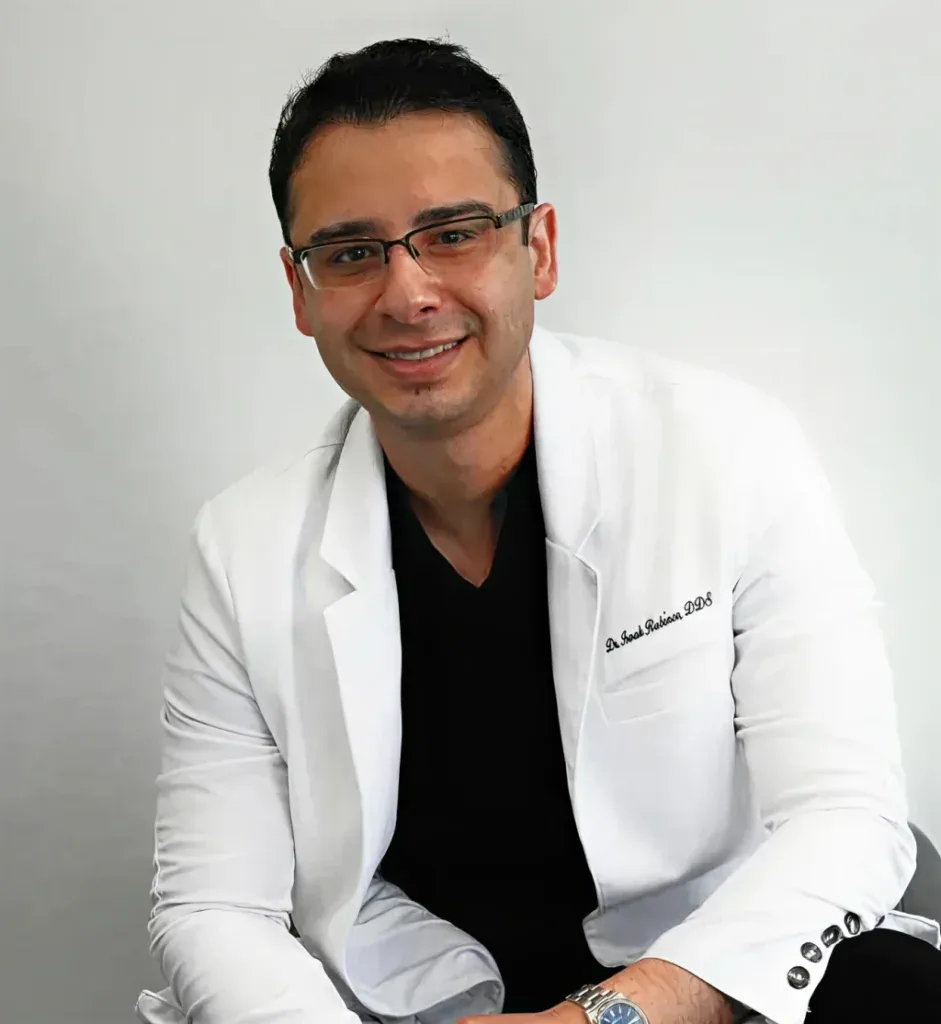
Education and training
New York University, Doctor of Dental Surgery; Kings County Hospital Center, Residency in General Practice
Read more about Dr. Isaak Rubinov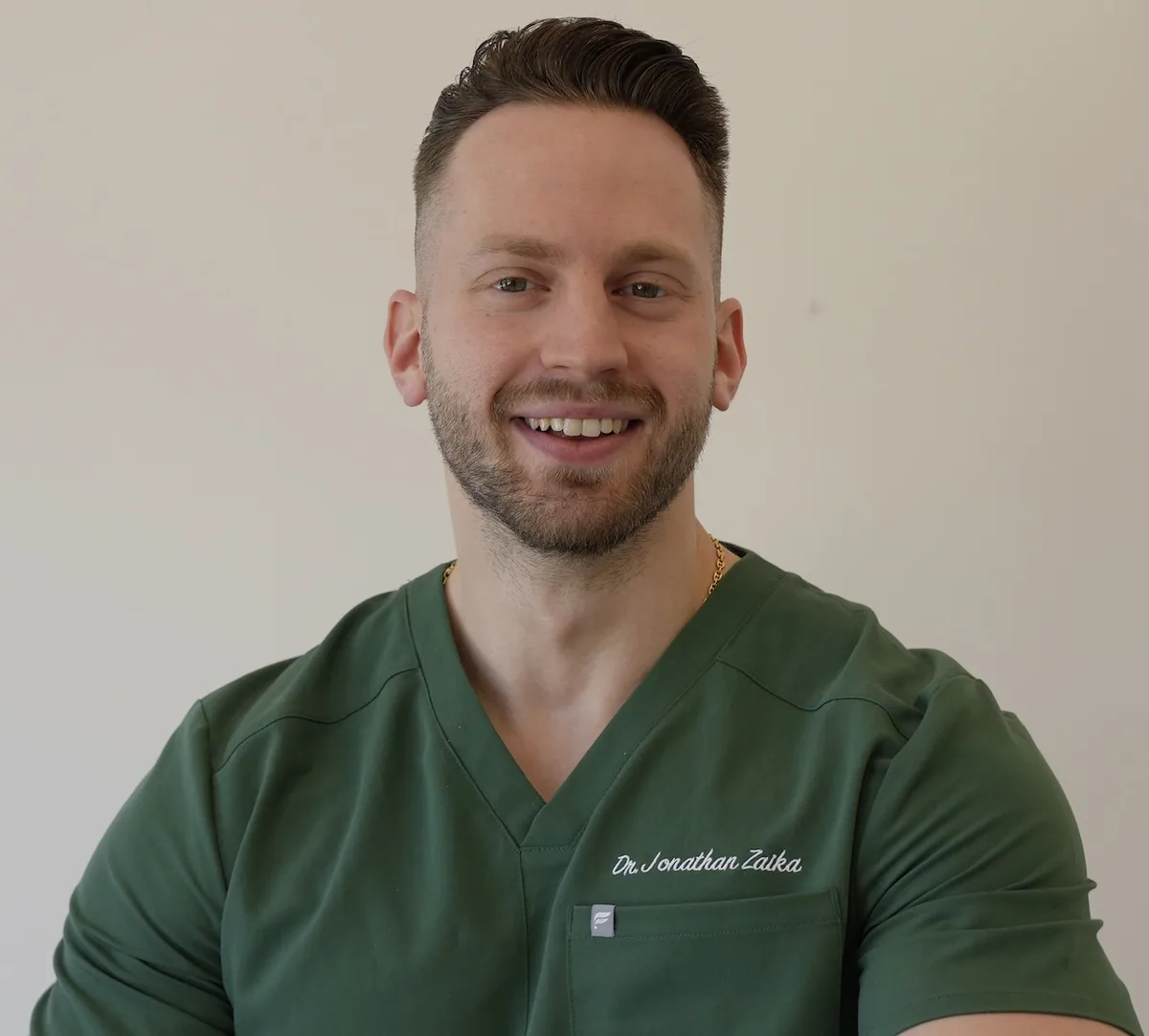
Education and training
New York University College of Dentistry, Doctor of Dental Surgery
Read more about Dr. Jonathan Zaika
Education and training
Stony Brook University School of Dental Medicine, Doctor of Dental Surgery (Summa Cum Laude); NYC Health + Hospitals/South Brooklyn Health, General Practice Residency
Read more about Dr. Stanley FaynblutRelated care
Visit us
Book online or call the office. A booking request is confirmed by our front desk; our team will contact you to confirm the time.
Get in touch
Have questions or need directions? We are here to help. Reach out or visit our office.
Call the office or send us an email and we will get back to you.