Tooth Extractions
Gentle Tooth Extractions for a Healthier Smile
Sometimes the best way to protect your oral health is to remove a tooth that can’t be saved. At Modern Dental Hub in Merrick, NY, we perform tooth extractions with comfort and care as our top priorities. Using modern techniques and effective anesthesia, we make the process as smooth and painless as possible. Whether it’s a severely decayed tooth, a problematic wisdom tooth, or a tooth too damaged to repair, our experienced team will guide you through every step and help you heal quickly.
Treatment Purpose
The purpose of a tooth extraction is to remove a tooth that is damaging your oral health and replace pain or risk with relief. Teeth may need to be removed due to severe decay, advanced gum disease, infection, fracture, crowding, or impaction. By removing a problem tooth, we stop the spread of infection, relieve pain, and protect the surrounding teeth and gums. In many cases, extraction also clears the way for orthodontic treatment or a replacement like an implant or bridge.
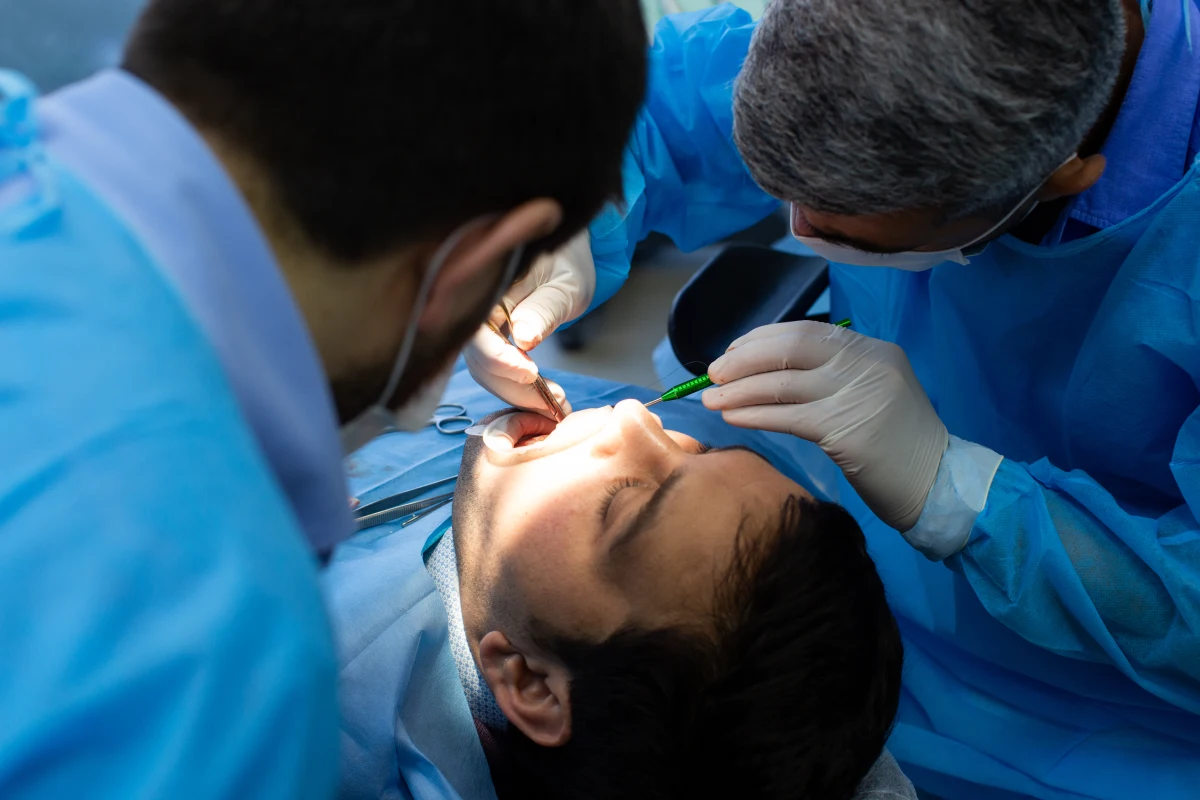
Treatment Outcome
After your extraction, the source of your pain or infection will be gone, and your mouth can begin to heal. The empty socket forms a protective blood clot and gradually fills in with new tissue over the following weeks. Once healing is complete, we’ll discuss replacement options if needed — such as a dental implant or bridge — to restore your bite and keep your smile looking and functioning its best. Most patients are pleasantly surprised by how comfortable and straightforward the experience is.
Am I a Candidate?
You may be a good candidate for an extraction if you have:
Severe Decay or Damage:
A tooth that’s too decayed or broken to be restored with a filling, crown, or root canal.
Advanced Gum Disease:
Teeth that have become loose due to bone loss from periodontal disease.
Impacted or Problem Wisdom Teeth:
Wisdom teeth that are stuck, crowding other teeth, or causing pain and infection.
Crowding:
Teeth that need to be removed to create space before or during orthodontic treatment.
Preparing for Treatment
A little preparation helps your extraction and recovery go smoothly:
Share Your Health History:
Tell us about any medications you take and any medical conditions, so we can plan the safest treatment for you.
Arrange a Ride if Needed:
If you’ll be receiving sedation, plan for someone to drive you home afterward.
Eat Beforehand (When Appropriate):
Unless you’re being sedated, having a light meal before your appointment is fine, since you’ll need to stick to soft foods afterward.
Ask Questions:
We’ll explain exactly what to expect and answer anything you’re unsure about, so you feel calm and confident on the day.
Treatment Aftercare
Good aftercare protects the healing socket and prevents complications:
Protect the Blood Clot: For the first 24 hours, avoid spitting, rinsing vigorously, drinking through a straw, or smoking — these can dislodge the clot and delay healing.
Manage Bleeding & Swelling: Bite gently on the gauze we provide, and use a cold compress on your cheek to reduce swelling in the first day.
Eat Soft Foods: Choose soups, yogurt, mashed potatoes, and other soft foods, and chew on the opposite side until the area heals.
Keep It Clean: After the first day, gently rinse with warm salt water and continue brushing your other teeth carefully to keep the area clean.
Treatment Side Effects
Some mild swelling, soreness, and minor bleeding are normal in the first few days after an extraction and typically improve quickly. Over-the-counter pain relievers and the aftercare tips above usually keep you comfortable. A less common complication is “dry socket,” where the protective clot is lost too early, leading to increased pain a few days later — following our aftercare instructions greatly reduces this risk. If you experience severe or worsening pain, heavy bleeding, fever, or significant swelling, contact us right away so we can help.
FAQ
Does getting a tooth pulled hurt?
The extraction itself shouldn’t hurt — we numb the area thoroughly first, so you’ll feel pressure but not pain. Mild soreness afterward is normal and easily managed.
How long does recovery take?
Most people feel noticeably better within a few days, with the socket healing over a few weeks. We’ll give you a clear timeline based on your specific extraction.
Will I need to replace the tooth?
For visible or chewing teeth, replacing them with an implant or bridge helps maintain your bite and prevents nearby teeth from shifting. We’ll discuss the best options with you.
Can I go back to work the next day?
Many patients return to normal activities the following day, though we recommend taking it easy and avoiding strenuous exercise for a couple of days.
What can I eat after an extraction?
Stick to soft, cool, or lukewarm foods for the first day or two — think smoothies, yogurt, soup, and mashed potatoes — and avoid hot, crunchy, or chewy foods until you’ve healed.
Myths vs. Facts
Myth:
Pulling a tooth is dangerous and should always be avoided.
Fact:
When a tooth can’t be saved, a timely extraction is safe and often the healthiest choice, protecting your other teeth and stopping infection from spreading.
Myth:
There’s no need to replace a tooth you can’t see when you smile.
Fact:
Even back teeth play an important role in chewing and keeping your bite aligned. Replacing them helps prevent shifting and future problems.
Myth:
Recovery from an extraction is long and painful.
Fact:
With modern techniques and proper aftercare, most extractions heal comfortably, and many patients are surprised by how easy the recovery is.